Up to 20 million Americans have some form of neuropathy, or nerve damage. At Interventional Pain Specialists of Wisconsin, SC, in Hudson, Rice Lake, and Altoona, WI, our interventional spine and pain management specialists have extensive experience diagnosing and treating neuropathy using both conventional and advanced therapies. A wide range of treatment options can help reduce pain, improve function, and enhance quality of life.
Understanding Neuropathy
Neuropathy refers to disorders affecting the peripheral nerves, which carry signals between the brain, spinal cord, and the rest of the body. These nerves control sensation, movement, and many automatic body functions. Neuropathy is especially common in patients with metabolic conditions such as diabetes, but it may also result from injury, inflammation, toxin exposure, or compression of individual nerves.
While neuropathy does not always have a cure, early diagnosis and advanced treatment can slow progression, reduce pain, and preserve nerve function.
Common Symptoms of Neuropathy
Symptoms vary depending on the nerves involved but often include:
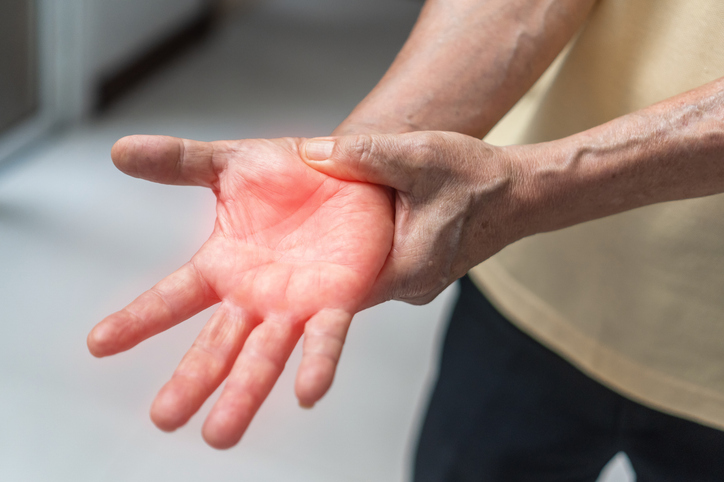
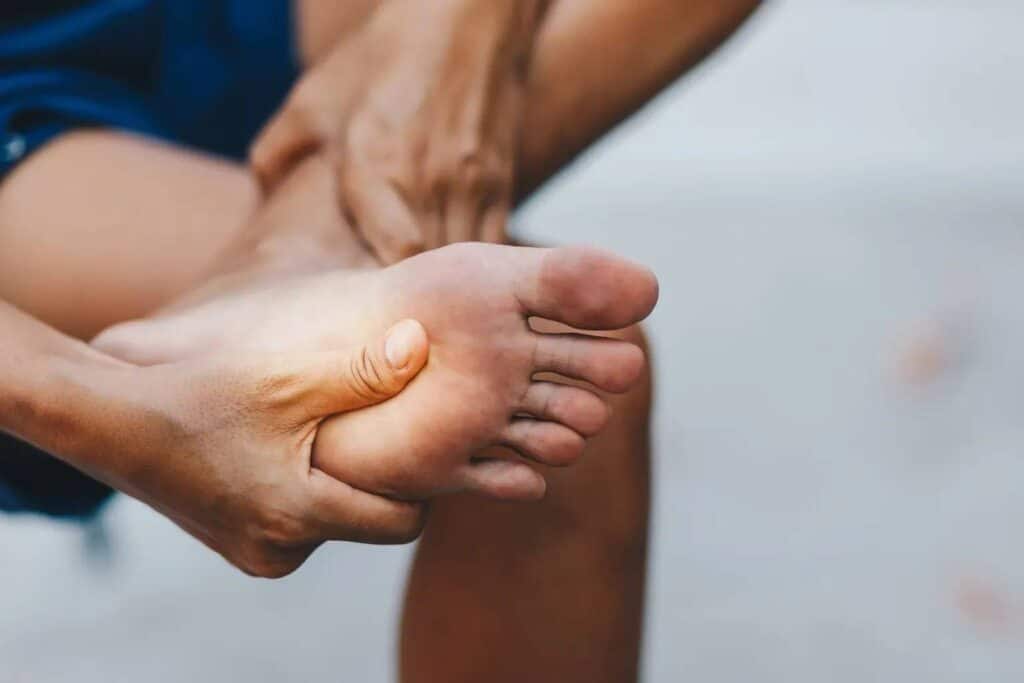
- Numbness, tingling, or a “pins and needles” sensation in the hands or feet
- Burning, stabbing, or electric-like pain
- Increased sensitivity to touch
- Muscle weakness or cramping
- Balance problems or difficulty walking
- Heat or cold intolerance
In more advanced cases, neuropathy may affect bowel, bladder, or digestive function. Prompt evaluation improves the likelihood of successful symptom control.
Risk Factors for Neuropathy
Factors that increase the risk of neuropathy include:
- Diabetes and other metabolic disorders
- Chronic alcohol use
- Exposure to toxins or certain medications
- Vitamin deficiencies
- Autoimmune or thyroid disorders
- Genetic predisposition
When to Seek Specialist Care For Neuropathy
Patients with persistent numbness, burning pain, weakness, or progressive sensory changes should seek evaluation by a neuropathy specialist. Early intervention may help prevent irreversible nerve damage and reduce long-term disability.
Diagnosis of Neuropathy
Diagnosis begins with a comprehensive evaluation, including:
- Review of medical history and risk factors
- Detailed physical and neurologic examination
- Blood testing to evaluate metabolic or nutritional causes
- Imaging studies when structural causes are suspected
- Nerve conduction studies or electromyography (EMG) when appropriate
Accurate diagnosis allows treatment to be targeted to the underlying cause and pain generator.
Advanced Neuropathy Treatment Options
Treatment for neuropathy varies based on its underlying cause and the specific symptoms presented. The team at Interventional Pain Specialists of Wisconsin, SC, may recommend physical therapy, topical treatments, medication, or other conservative measures first. If pain doesn’t respond to conservative care, your doctor may recommend interventional pain management options to manage pain starting at its source. We design personalized treatment plans to help restore quality of life, even for late-stage neuropathy.
Spinal Cord Stimulation for Painful Diabetic Neuropathy
For patients with painful diabetic peripheral neuropathy that does not respond to medications or conservative care, spinal cord stimulation (SCS) may provide significant relief. This therapy uses mild electrical stimulation delivered to the spinal cord to interrupt pain signals before they reach the brain.
Spinal cord stimulation has been shown to:
- Reduce chronic neuropathic pain
- Improve sleep and daily function
- Decrease reliance on medications
Modern SCS systems are minimally invasive and programmable, allowing therapy to be tailored to each patient’s pain pattern.
Peptide Therapies for Neuropathy
Peptide-based therapies may be used as part of a comprehensive neuropathy treatment plan. Certain peptides are thought to support nerve repair, reduce inflammation, and improve cellular signaling. While peptide therapy is not a replacement for established medical treatments, it may serve as a complementary option for select patients seeking alternatives to traditional medications.
Our physicians carefully evaluate candidacy and integrate peptide therapies when clinically appropriate.
Prolotherapy and PRP Hydrodissection for Focal Nerve Pain
Some neuropathies are caused by localized nerve irritation or entrapment, known as mononeuropathies. Examples include carpal tunnel syndrome, ulnar neuropathy, meralgia paresthetica, and other peripheral nerve compression syndromes.
In these cases, advanced image-guided treatments such as:
- Prolotherapy, or
- Platelet-rich plasma (PRP) hydrodissection
may help relieve pain by reducing inflammation, freeing the nerve from surrounding tissue, and supporting healing. These procedures involve carefully placing regenerative solutions around the affected nerve under ultrasound guidance to maximize precision and safety.
Personalized Care for Neuropathy
At Interventional Pain Specialists of Wisconsin, SC, we design individualized treatment plans based on the type of neuropathy, severity of symptoms, and each patient’s goals. Our comprehensive approach allows us to treat neuropathy at its source, not just mask symptoms.
Frequently Asked Questions
Neuropathy Consultations in Hudson, Rice Lake & Hudson
If neuropathy is affecting your comfort, mobility, or quality of life, call (715) 234-7246 (PAIN) to schedule a consultation. We proudly serve patients in Hudson, Rice Lake, and Altoona, WI.