

Spine pain is common and may sometimes resolve on its own. However, when discomfort in the neck or back becomes persistent, it often requires professional care. At Interventional Pain Specialists of Wisconsin, SC, with locations in Hudson, Rice Lake, and Altoona, Wisconsin, our interventional spine and pain management experts combine advanced therapies with functional medicine principles to help patients achieve long-term relief and improved function.
Understanding Spine Pain
Spine pain refers to discomfort that originates in the neck or back and may involve muscles, discs, ligaments, joints, or nerves. Because the spine is a complex and highly mobile structure, even small structural or inflammatory problems can lead to significant pain. Many patients experience recurring or progressive symptoms that interfere with daily activities, sleep, and overall quality of life.
Common Causes of Spine Pain
- Spinal stenosis
- Herniated or bulging discs
- Degenerative disc disease (DDD)
- Spondylolysis and spondylolisthesis
- Facet joint arthritis
- Sciatica and nerve compression
- Cervical dystonia
- Whiplash injuries
- Piriformis syndrome
- Spinal compression fractures
- Failed back or neck surgery syndrome
Accurately identifying the pain generator is essential to selecting the most effective treatment.
What to Expect During a Spine Pain Evaluation
Patients at Interventional Pain Specialists of Wisconsin, SC, receive a comprehensive and patient-centered evaluation. This includes a detailed discussion of symptoms, functional limitations, and prior treatments, followed by a focused physical and neurologic examination. Advanced imaging such as X-rays, MRI, or CT scans may be ordered. In selected cases, diagnostic procedures such as discography may be used to identify painful discs.
This thorough approach allows our physicians to design a precise, individualized treatment plan.
Advanced Treatments for Spine Pain
Treatment is customized to match each patient’s diagnosis, anatomy, and lifestyle goals. Options may include:
- Physical therapy and chiropractic care
- Platelet-rich plasma (PRP) therapy
- Orthobiologics
- Ketamine infusions
- Bone marrow aspirate concentrate (BMAC) therapy
- Human tissue allograft therapies
- Peptide-based therapies
- Epidural steroid injections
- Targeted nerve blocks
- Radiofrequency ablation
- Spinal cord stimulation
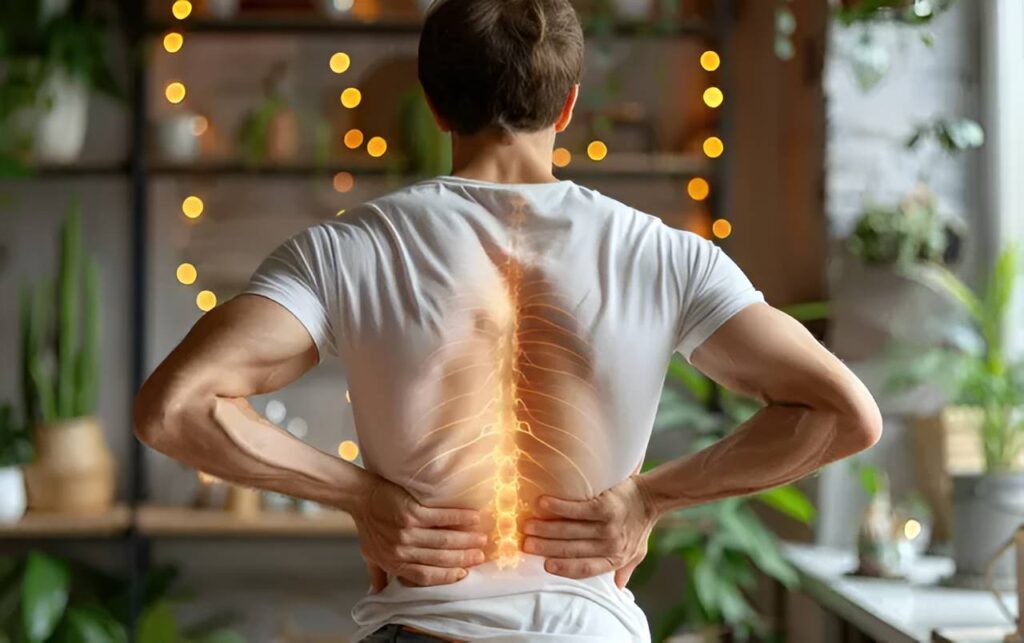
When conservative and interventional treatments are insufficient, ultra–minimally invasive spine procedures may offer effective relief while avoiding traditional open surgery.
Ultra–Minimally Invasive Spine Procedures
Our practice is a regional leader in advanced spine procedures designed to reduce pain, preserve anatomy, and shorten recovery time.
Endoscopic Spine Surgery (Elliquence®)
Using advanced endoscopic technology from Elliquence, our physicians can treat certain disc herniations and nerve compression conditions through very small incisions. Endoscopic spine surgery allows for direct visualization of the problem area while minimizing tissue disruption, blood loss, and postoperative pain. Many patients experience faster recovery and earlier return to daily activities compared to traditional surgery.
Disc FX® (Elliquence)
Disc FX®, also developed by Elliquence, is a minimally invasive procedure designed to treat painful disc disease. It combines disc decompression, annular modulation, and stabilization to reduce disc-related pain without fusion. Disc FX is performed through a small incision and is often an option for patients who want to avoid larger spine surgery.
MILD® Procedure for Spinal Stenosis
For patients with lumbar spinal stenosis caused by thickened ligaments, the MILD® (Minimally Invasive Lumbar Decompression) procedure, developed by Stryker, may provide meaningful relief. This image-guided procedure removes small portions of excess ligament tissue to relieve pressure on spinal nerves. MILD does not involve implants or hardware and is typically performed through a very small incision, allowing for quicker recovery.
Other Ultra–Minimally Invasive Options
Our team also specializes in advanced procedures such as the Intracept® procedure for vertebrogenic low back pain and the Minuteman® procedure for spinal stabilization, offering comprehensive solutions for complex spine conditions under one roof.
Why Choose Us for Spine Pain Care
Interventional Pain Specialists of Wisconsin, SC, is one of the most comprehensive and experienced spine pain practices in the region. Our physicians are board-certified in pain medicine and anesthesiology—two critical specialties for advanced spine care.
We are the only providers in the area offering ultra–minimally invasive spine surgery alongside regenerative medicine and advanced interventional pain treatments. Every procedure is performed using precise image guidance to maximize safety, accuracy, and outcomes. Patients benefit from cutting-edge technology, evidence-based care, and a commitment to preserving function and quality of life.
Frequently Asked Questions
Can Poor Posture Cause Long-Term Spine Pain?
Yes. Poor posture can place extra stress on the muscles, joints, ligaments, and discs that support your spine. Over time, this added strain may contribute to ongoing neck or back pain. If posture is playing a role in your symptoms, your treatment plan may include targeted therapies and recommendations to improve body mechanics and reduce stress on the spine.
Is It Normal for Spine Pain to Come and Go?
Yes. Many spine conditions cause symptoms that flare up and improve over time. Even if the pain temporarily subsides, recurring episodes may indicate an underlying issue that should be evaluated. Identifying the source of your pain can help guide treatment and reduce the likelihood of future flare-ups.
How Can You Tell Whether My Pain Is Coming From a Disc, Joint, or Nerve?
A thorough evaluation is the first step. Our providers review your symptoms, perform a physical and neurological examination, and may recommend imaging or diagnostic procedures when appropriate. This comprehensive approach helps identify the specific structure contributing to your pain so we can develop the most effective treatment plan.
Can Stress Make Spine Pain Worse?
Yes. Stress can increase muscle tension, contribute to inflammation, and make the nervous system more sensitive to pain. While stress may not be the underlying cause of a spine condition, it can worsen symptoms. Addressing both the physical and lifestyle factors contributing to your pain may help improve your overall results.
Why Does My Spine Pain Feel Worse in the Morning or at Night?
The timing of spine pain can vary depending on the underlying condition. Morning stiffness may be related to inflammation or remaining in one position overnight, while pain that worsens later in the day may result from prolonged activity or muscle fatigue. A detailed evaluation can help determine the cause of your symptoms and guide appropriate treatment.
What Lifestyle Changes Can Help Reduce Spine Pain?
Healthy daily habits can often complement your treatment plan. Depending on your condition, your provider may recommend:
- Maintaining good posture and body mechanics
- Staying active with appropriate exercise
- Following a healthy weight management plan
- Taking breaks from prolonged sitting or repetitive activities
- Performing stretching or strengthening exercises as directed
Your recommendations will be tailored to your diagnosis, symptoms, and functional goals.