
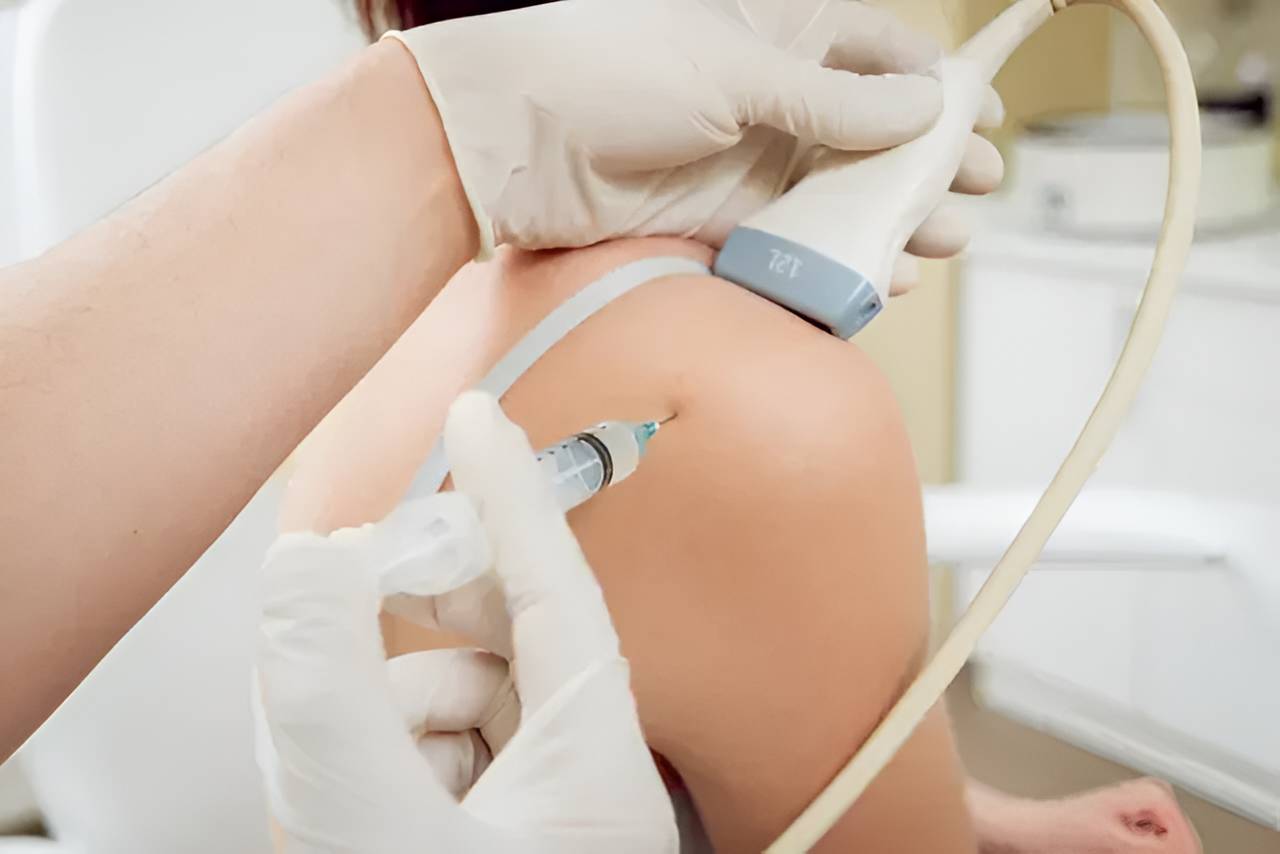
Regenerative orthobiologics involve the use of natural cellular biological substances to support the healing of injured or damaged tissue. At Interventional Pain Specialists of Wisconsin, SC, in Hudson, Rice Lake, and Altoona, Wisconsin, our team of interventional spine and pain management experts uses these treatments to reduce acute and chronic pain conditions, potentially decreasing the need for pain medication, steroid injections, or surgery.
Regenerative Orthobiologics and the Body’s Healing Process
Regenerative orthobiologics consist of natural cellular substances that can enhance the body’s healing abilities. These therapies are designed to stimulate tissue repair, accelerate recovery, and improve overall quality of life. By harnessing the body’s own healing power, regenerative orthobiologics offer a safe, effective option for musculoskeletal conditions that may not respond well to conventional care.
Types of Regenerative Orthobiologic Treatments
Interventional Pain Specialists of Wisconsin, SC, provides several regenerative options tailored to each patient’s needs:
Platelet-Rich Plasma (PRP) Therapy
PRP uses concentrated platelets from a patient’s own blood to promote healing. After collection and processing, the PRP is injected into the injured area under ultrasound or fluoroscopic guidance to stimulate repair and reduce inflammation.
Bone Marrow Aspirated Concentrate (BMAC) Injections
BMAC contains autologous mesenchymal stem cells collected from the patient’s bone marrow. These cells have regenerative potential and are placed into the treatment area under image guidance to enhance healing.
Adipose (Fat) Transfer
Adipose tissue is harvested with micro-liposuction, processed, and then injected into damaged joints. This micronized fat solution provides growth factors and mesenchymal stem cells to support tissue regeneration.
The Hackett–Hemwall Prolotherapy Technique
The Hackett–Hemwall technique is a well-established, methodical approach to prolotherapy that focuses on treating ligament and tendon laxity at its source. Rather than targeting only the area of pain, this technique emphasizes precise injection of a sterile dextrose solution at specific ligament and tendon attachment points where instability commonly develops. By addressing these weakened connective tissues, the Hackett–Hemwall method aims to restore structural support to joints, reduce abnormal motion, and relieve chronic pain driven by instability.
This technique may be used as a stand-alone treatment or as an adjunct to advanced regenerative therapies such as platelet-rich plasma (PRP) or bone marrow–derived treatments. When combined, prolotherapy can help create a stable foundation that allows regenerative cellular products to work more effectively. Treatments are performed under image guidance when appropriate, and a series of sessions is often recommended to promote progressive collagen production, tissue strengthening, and long-term joint stability.
Alpha-2-Macroglobulin (A2M)
Alpha-2-Macroglobulin (A2M) is a naturally occurring protein found in human blood that plays a key role in regulating inflammation. In arthritic joints, excessive inflammatory enzymes and cytokines can accelerate cartilage breakdown and impair healing. Alpha-2-Macroglobulin works by binding to and neutralizing many of these destructive enzymes, helping to reduce ongoing joint damage and create a more favorable environment for tissue repair. When concentrated from a patient’s own blood, A2M can be delivered directly into a painful joint to target inflammation at its source.
A2M is often used as an adjunct to platelet-rich plasma (PRP) to enhance regenerative outcomes in patients with arthritis or chronic joint degeneration. While PRP provides growth factors that support healing, Alpha-2-Macroglobulin helps calm the inflammatory processes that interfere with recovery. Together, this combined approach may improve pain relief, joint function, and durability of results, particularly in patients seeking nonsurgical options to delay or avoid joint replacement.
Conditions That May Benefit from Regenerative Orthobiologics
Orthobiologics can be effective for a wide range of musculoskeletal issues, including:
- Degenerative arthritic joints (ankle, knee, hip, shoulder)
- Degenerative discs in the lumbar spine
- Tennis and golfer’s elbow
- Carpal tunnel syndrome
- ACL/MCL and meniscus injuries
- Various tendonitis conditions
- Rotator cuff injuries
- Whiplash, sciatica, and low back pain
- Overuse injuries from work or sports
At Interventional Pain Specialists of Wisconsin, SC, regenerative therapies are integrated into personalized treatment plans. The team evaluates each patient’s symptoms, medical history, and goals to determine whether orthobiologics should be used alone or in combination with other advanced therapies. You can also explore additional advanced options such as treatments for more targeted relief.
Why Choose Us for Regenerative Orthobiologics
Patients turn to Interventional Pain Specialists of Wisconsin, SC, for regenerative orthobiologics because of the team’s specialized training, use of advanced image-guided procedures, and commitment to providing the safest, most effective treatments available.
With board certified pain management and anesthesiology physicians leading the team, and a philosophy that blends innovation with compassionate care, patients can expect thoughtful, individualized treatment plans. We prioritize long-term recovery and restored quality of life, and our specialists won’t quit until you feel like yourself again.
Regenerative Orthobiologics Consultations in Rice Lake and Hudson, WI
To learn more about how the groundbreaking science of regenerative orthobiologics can help with your chronic pain condition, call us at (715) 234-7246 (PAIN) to schedule your consultation.